Keeping your devices up to date has never been simpler—thanks to streamlined processes and smarter software. Easy device updates for modern tech readers and users now means no more confusing settings, missed notifications, or risky manual downloads. Whether you’re using a smartphone, laptop, tablet, or smart home gadget, today’s update systems are designed for speed, security, and simplicity. With just a few taps or clicks, you can ensure your tech runs smoothly, stays protected, and performs at its best.
Modern operating systems and firmware platforms prioritize user convenience. Automatic background updates, intuitive interfaces, and clear prompts make staying current effortless—even for non-tech-savvy users. This shift isn’t just about convenience; it’s about safety, performance, and compatibility. Outdated software can leave devices vulnerable to malware, slow down performance, and prevent access to new features. That’s why embracing easy device updates is no longer optional—it’s essential.
Why Easy Device Updates Matter in 2024
Technology evolves rapidly, and so do the threats that target it. Cybercriminals exploit outdated software vulnerabilities, making regular updates a frontline defense. Beyond security, updates deliver critical bug fixes, battery optimizations, and compatibility improvements. For example, a recent iOS update improved camera performance on older iPhone models, while a Windows patch resolved a widespread Wi-Fi connectivity issue.
Modern users demand reliability and responsiveness. Delayed or failed updates can disrupt workflows, drain battery life, or cause app crashes. Easy device updates eliminate these frustrations by offering seamless, one-tap installations. Many systems now support scheduled updates during off-hours, so your work or entertainment isn’t interrupted.
Additionally, manufacturers are increasingly integrating update reminders into everyday use. Smart TVs notify you when a new firmware version is ready. Laptops prompt updates at shutdown. Even smart speakers confirm updates via voice alerts. These small touches make staying current feel natural, not burdensome.
Key Benefits of Streamlined Device Updates
- Enhanced Security: Patches close loopholes used by hackers.
- Improved Performance: Optimizations boost speed and battery life.
- New Features: Access cutting-edge tools and interface upgrades.
- Better Compatibility: Ensures apps and peripherals work flawlessly.
- Reduced Downtime: Automatic scheduling minimizes disruptions.
How to Enable and Manage Easy Device Updates
Most modern devices come with automatic updates enabled by default, but it’s wise to verify your settings. On smartphones, navigate to Settings > System > Software Update (Android) or Settings > General > Software Update (iOS). Toggle on “Automatic Updates” to allow installations overnight when connected to Wi-Fi.
For laptops, Windows users can check Settings > Update & Security > Windows Update, while macOS users go to System Settings > General > Software Update. Both platforms support automatic downloads and installations. Linux distributions like Ubuntu offer update managers with one-click upgrade options.
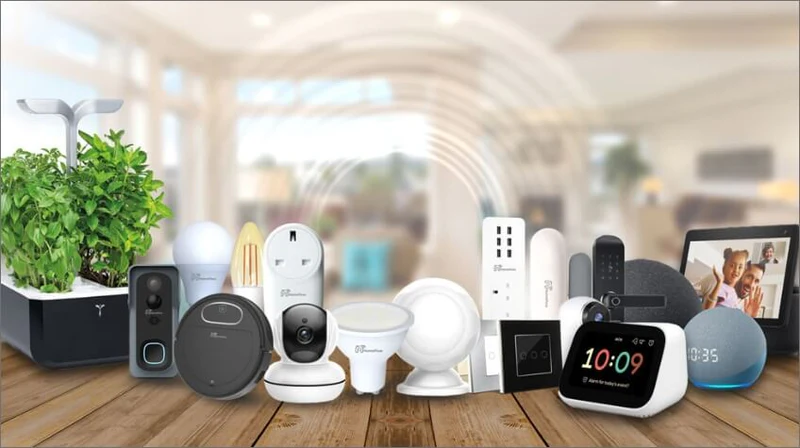
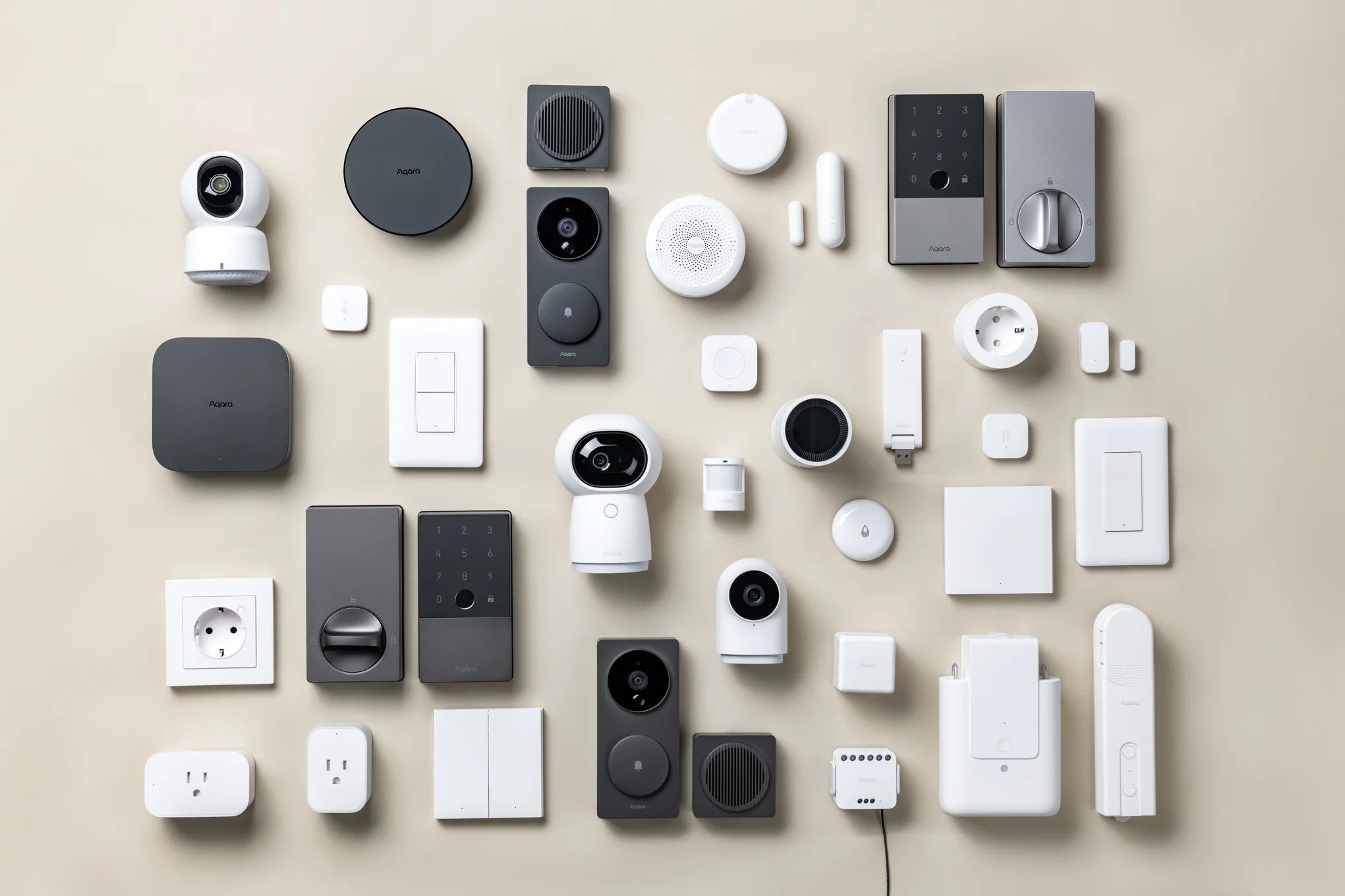
Smart home devices—such as routers, security cameras, and voice assistants—often update silently in the background. However, checking your device’s companion app monthly ensures no critical patches are missed. Some brands, like Google Nest and Philips Hue, send email alerts when updates are applied.
Tips for a Smooth Update Experience
- Always back up important data before major OS updates.
- Ensure your device has at least 50% battery or is plugged in.
- Use a stable Wi-Fi connection to avoid corrupted downloads.
- Restart your device after updates to complete installations.
- Review release notes to understand what’s new or fixed.
Overcoming Common Update Challenges
Despite advancements, some users still face hurdles. Slow internet speeds can delay large downloads, especially for major OS upgrades. To combat this, schedule updates during off-peak hours or use a wired connection when possible.
Storage limitations are another common issue. Before updating, clear cache, delete unused apps, or transfer photos to cloud storage. Many devices now offer “update cleanup” tools that remove old installation files automatically.
Occasionally, updates may cause temporary glitches—like app incompatibility or UI changes. In such cases, waiting a few days often resolves the issue as developers release hotfixes. If problems persist, rolling back to a previous version (where supported) or contacting customer support is recommended.
For enterprise users, IT departments can manage updates centrally using tools like Microsoft Intune or Jamf. This ensures all company devices stay secure without requiring individual user action.
Future of Device Updates: Smarter, Faster, Invisible
The next wave of device updates will be even more seamless. Artificial intelligence is being used to predict when updates are needed and preload them during idle times. Google’s Project Mainline, for instance, delivers modular Android updates without requiring full system reboots.
Firmware-over-the-air (FOTA) technology is expanding beyond phones to include cars, appliances, and medical devices. Tesla vehicles receive performance tweaks and new features via silent updates. Smart refrigerators now update their internal software to improve energy efficiency.
User experience is also improving. Instead of generic “Update Available” messages, systems now explain benefits in plain language: “This update improves Face ID speed by 20%” or “Fixes a bug causing Spotify to crash.” Transparency builds trust and encourages timely installations.
Key Takeaways
- Easy device updates are now built into most modern tech, requiring minimal user effort.
- Automatic updates enhance security, performance, and feature access.
- Always verify update settings and maintain sufficient storage and battery.
- Future updates will become even more intelligent and user-friendly.
- Staying current is no longer a chore—it’s a smart habit for every tech user.
FAQ
How do I check if my device has the latest update?
Go to your device’s settings menu and look for “Software Update” or “System Update.” Tap to check for available updates. Most devices will show the current version and whether an update is pending.
Can I skip updates if I don’t want new features?
While possible on some devices, skipping updates is not recommended. Security patches and bug fixes are often included, and delaying them can expose your device to risks. If a feature bothers you, explore settings to disable it post-update.
What should I do if an update fails or causes problems?
First, restart your device and try the update again. Ensure stable internet and sufficient storage. If issues persist, visit the manufacturer’s support page for troubleshooting guides or contact customer service. Some devices allow rollback to a previous version within a limited time window.
Embracing easy device updates is no longer a luxury—it’s a necessity in today’s connected world. With intuitive designs and automated systems, staying current is faster and safer than ever. Make updates a routine part of your tech life, and enjoy smoother performance, stronger security, and access to the latest innovations—effortlessly.
For more, visit Techfuture360.site.