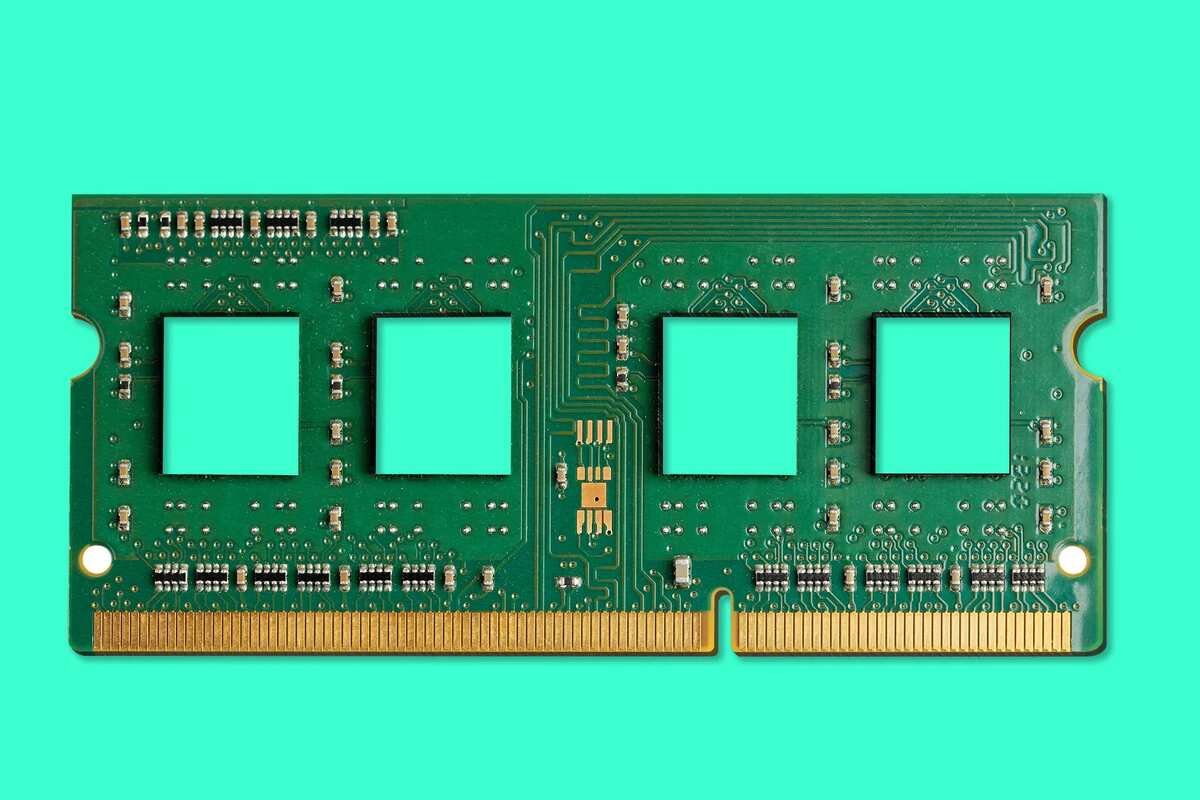
The RAM shortage is not looking like a short problem. In early 2026, Samsung said demand for memory chips should stay strong this year and into next year, while Micron said memory markets may remain tight past 2026. Reuters also reported that new factories for regular memory chips may not come online until 2027 or 2028, which means relief could take time. TrendForce has also raised its 1Q26 DRAM price outlook sharply because AI and data center demand are still pulling supply away from the open market.
Why RAM Is Still in Short Supply
The main reason is simple: AI is using a huge amount of memory. Modern AI systems need fast memory for training and running models, and that demand is taking a large share of factory output. Reuters reported that big cloud companies such as Google, Amazon, Microsoft, and Meta asked Micron for open-ended supply, while customers in China also pushed suppliers for more allocation. At the same time, suppliers have been focusing more on higher-margin AI memory such as HBM, which leaves less room for regular DRAM used in PCs, laptops, phones, and other devices.
This shift matters because RAM is not one single product. Most people think of RAM as the memory inside a laptop or desktop, but the same broad memory market also includes chips for phones, servers, gaming gear, and storage systems. When AI buyers take a larger share of supply, the effect spreads to normal consumer devices. That is why a shortage in data center memory can show up later as higher prices for everyday products. Reuters and TrendForce both point to this AI-driven imbalance as the core problem behind the current market stress.
Why Prices Are Rising So Fast
The price rise is already visible. TrendForce said its survey showed a worse supply-demand gap in early 2026 and raised its quarter-over-quarter DRAM contract price forecast to 90% to 95%, far above the earlier 55% to 60% estimate. It also lifted its NAND forecast and said more upward changes could still happen. That is a strong sign that suppliers have more pricing power right now, and buyers are paying more for the same memory capacity.
Retail prices are also moving up. Tom’s Hardware reported that some DDR4 kits that sold for about $60 to $90 in October 2025 were selling for about $150 to $180 in January 2026, showing that even older memory is no longer a cheap fallback. That matters for people building or upgrading a PC, because switching to older RAM does not fully protect them from the current cost jump.
The impact is not limited to computer parts. Reuters reported in January and April 2026 that memory shortages and rising chip costs were pushing up prices across consumer devices. Meta said it would raise Quest headset prices because memory chip costs had gone up, and Sony said it would raise PlayStation 5 prices again because of memory chip costs. These moves show that RAM pressure is already flowing into real products on store shelves.
Why Relief May Not Come Soon
One reason this shortage may stretch into next year and beyond is that chip factories take a long time to build and ramp up. Reuters reported that new factories for conventional chips will not meaningfully come online until 2027 or 2028. That means even if companies keep spending on more capacity now, the extra supply will not help quickly. This is the biggest reason the market may stay tight for a while.
Samsung has also said the demand picture stays strong into 2027. Reuters reported in February 2026 that Samsung expected strong memory chip demand this year and into next year because of AI. Micron said memory markets may remain tight past 2026. Put together, those comments from two of the biggest memory makers point in the same direction: the shortage may not fade just because the calendar changes.
IDC’s latest view also suggests the market will not snap back quickly. Reuters reported that IDC expects smartphone shipments to fall 12.9% in 2026 because of higher memory prices, then recover only 2% in 2027 and 5.2% in 2028. IDC also said the sub-$100 smartphone segment could become permanently uneconomical even after memory prices stabilize around mid-2027. That is a strong sign that the pain could last well beyond next year for lower-cost devices.
Who Will Feel It the Most
The hardest hit buyers are likely to be budget device makers and price-sensitive shoppers. Reuters said low-end Android makers may suffer most, while Apple and Samsung are in a better position because of stronger margins and premium products. Gartner also expects memory costs to push worldwide PC shipments down 10.4% in 2026 and smartphone shipments down 8.4%, with PC prices up 17% and smartphone prices up 13% by the end of 2026. That means the cheapest devices will face the most pressure.
For PC buyers, this can mean fewer low-cost options and higher upgrade costs. Gartner said the sub-$500 entry-level PC segment could disappear by 2028. For phone buyers, it can mean fewer affordable models and more focus on mid-range or premium devices. For small businesses, this can raise the cost of laptops, workstations, and servers at the same time, which makes planned upgrades harder to budget for.
Gamers and VR users are already seeing this too. Meta’s Quest price changes and Sony’s PS5 price increase are clear examples of how memory costs move beyond the memory market itself. When a headset or console becomes more expensive because of RAM, the shortage is no longer a back-end supply issue. It becomes a direct consumer cost.
What This Means for Buyers Right Now
For normal buyers, the safest move is to buy only what is needed, not extra stock. The current market shows fast price jumps, so waiting can mean paying more later, but panic buying can also push up prices further. A smart choice is to compare prices across several sellers, check whether an upgrade is truly needed, and avoid overpaying for more RAM than the system can use. The shortage is real, but not every upgrade should be rushed without a reason. This is an inference based on the sharp price moves and supply warnings reported by Reuters, TrendForce, and Tom’s Hardware.
For businesses, planning matters even more. Procurement teams may need to lock in longer supply contracts, redesign products with lower memory use, or delay some hardware refreshes until pricing improves. Gartner’s forecast of higher PC and smartphone prices, plus IDC’s warning that the market may not return to old norms, suggests that memory costs should be treated as a budget item for more than one year.
The Bottom Line
The latest reports all point in the same direction: RAM prices are still under pressure, AI demand is still strong, and new supply will take time to arrive. Samsung sees demand running into 2027, Micron says tightness may last past 2026, TrendForce has sharply lifted its DRAM price outlook, and Reuters says new conventional memory factories may not help until 2027 or 2028. That is why the shortage may continue into next year and beyond, not just for servers, but for everyday devices too.
For readers, the key message is clear: this is no longer a small market blip. It is a wider memory supply problem tied to AI growth, and it is already affecting PC, phone, console, and VR prices. The market may improve later, but the latest evidence shows that relief is unlikely to be fast.
For more, visit Techfuture360.site.