
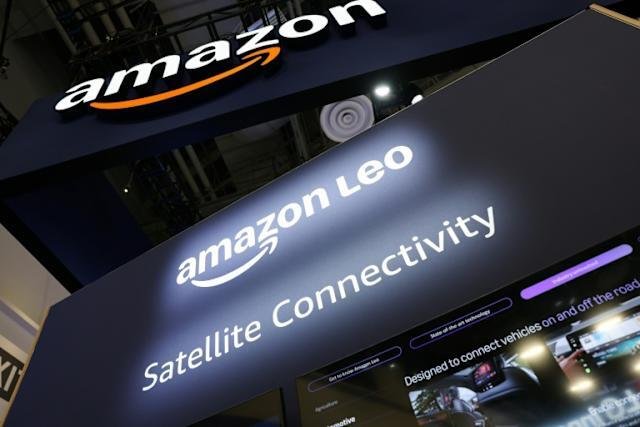
Amazon has made one of its biggest space-business moves yet. On April 14, 2026, the company said it will acquire Globalstar in an $11.57 billion deal. The goal is clear: Amazon wants to strengthen its satellite internet push and compete more directly with SpaceX’s Starlink, which already has a much larger network and millions of users around the world.
This deal is important because it is not only about buying a company. It is about buying speed, spectrum, experience, and a ready-made satellite service base. Globalstar brings satellites, radio frequency spectrum, and operational know-how that can help Amazon Leo, Amazon’s satellite project, move faster into direct-to-device services.
What Amazon is Actually Buying
Amazon is acquiring Globalstar through a definitive merger agreement. Under the deal, Globalstar shareholders can choose either $90 in cash or 0.3210 shares of Amazon stock for each Globalstar share, with the value capped at $90 per share. The deal also includes a cash-election cap, and the total value can be reduced by up to $110 million if Globalstar misses certain operational milestones.
This is not just a simple company purchase. Amazon will gain Globalstar’s existing satellite operations, infrastructure, assets, and spectrum licenses. That matters because satellite businesses are not built only with rockets. They also need spectrum rights, ground systems, technical teams, and years of operating experience.
Globalstar’s stockholders holding about 58% of the company’s combined voting power have already approved the transaction by written consent. The deal is expected to close in 2027, but it still needs regulatory approvals and some satellite deployment milestones to be met first.
Why Amazon Wants Globalstar
Amazon has been building Amazon Leo, its low Earth orbit satellite network, for years. The company has already launched more than 200 satellites and plans a much larger constellation of about 3,200 satellites by 2029. Amazon has also said it wants to begin offering satellite internet services later in 2026.
Globalstar gives Amazon something very useful: Direct-to-Device, or D2D, capability. This means phones and other mobile devices can connect directly to satellites instead of relying only on cell towers on the ground. That can help with emergency messages, voice, text, data, and coverage in remote places where normal mobile networks are weak or unavailable.
Amazon has said that starting in 2028, it plans to deploy its own next-generation D2D satellite system. In simple terms, this means Amazon is not only trying to offer home internet from space. It also wants to support mobile phones directly from orbit. That is a major step because it moves Amazon deeper into the same market where Starlink is already pushing hard.
The Starlink Challenge
The main reason this story is getting so much attention is Starlink. Starlink already has a huge lead in satellite internet. Reuters reports that Starlink serves more than 9 million users globally and has about 10,000 satellites in its network. Amazon is still much earlier in its buildout, so this deal is a way to close the gap faster.
Starlink is not standing still either. It is already working on direct-to-device services through telecom partnerships such as T-Mobile. That means the competition is not just about who has the most satellites. It is also about who can make satellite service useful for normal phone users in a simple, affordable way.
In that context, Amazon’s Globalstar deal looks like a shortcut. Instead of waiting many years to build every piece alone, Amazon is buying a company that already has a working system, spectrum rights, and experience in this very area. That could help Amazon move faster and look more serious in the race against Starlink.
Why Globalstar Matters So Much
Globalstar may be smaller than Starlink, but it has an important role in the satellite world. It is already used for critical and emergency services. Globalstar currently powers satellite features for Apple devices, including Emergency SOS and Find My on supported iPhone and Apple Watch models.
That Apple connection makes Globalstar even more valuable. Amazon said it has also signed an agreement with Apple so that Amazon Leo will continue to power satellite services for supported iPhone and Apple Watch models. According to the companies, this includes texting emergency services, messaging friends and family, and requesting roadside assistance.
Globalstar’s network is not huge, but its value is in what it can do. The company’s satellites and spectrum are already tied to real consumer services. That gives Amazon a practical base for expanding into direct-to-device connectivity without starting from zero.
What This Means for Apple Users
This deal also matters for Apple users, not just Amazon and Globalstar investors. Apple invested about $1.5 billion in Globalstar in 2024 to support satellite communication features on iPhones and other devices. Reuters says that partnership will remain intact, and Amazon’s press release says Amazon and Apple have agreed that Amazon Leo will power satellite services for supported Apple devices going forward.
That is an important point because people may worry that a change in ownership could interrupt emergency features. So far, the companies are saying the opposite. The goal is to keep the current services working while also expanding them later through Amazon’s larger network.
For users, this could mean better coverage in the future, especially in places where normal mobile signal is weak. It could also mean more satellite features built into everyday phones, not just emergency tools. That is still a future goal, but the direction is clear.
The Bigger Business Logic
From Amazon’s side, this deal fits a much larger plan. Amazon Leo is meant to provide fast, reliable internet to homes, businesses, enterprises, and governments that are beyond the reach of regular networks. Amazon says the full system is designed to include thousands of satellites and support hundreds of millions of customer endpoints.
The company is also under pressure to move quickly. Reuters reported that Amazon needs to get roughly half of its planned satellites into orbit by a July regulatory deadline. In other words, Amazon is not only trying to grow. It is also trying to meet deadlines and prove that its satellite business is moving forward fast enough.
Buying Globalstar helps with both speed and capability. Amazon gets a business that already knows the satellite communications market and can add D2D services sooner than building everything on its own timeline. That is why this is being seen as one of the most strategic moves Amazon has made in the satellite race.
What Could Happen Next
The next big step is regulation. Because this is a major telecom and satellite deal, approval from regulators will matter. Reuters reported that the U.S. Federal Communications Commission will need to review the acquisition, and closing is expected next year only if the required approvals and milestones are met.
If the deal closes, Amazon will likely work on combining Globalstar’s assets with Amazon Leo’s existing network. The long-term idea is a unified system that can support both broadband internet and direct-to-device mobile services. That would make Amazon a much stronger all-around satellite player.
If the deal does not close on time, Amazon can still continue building Amazon Leo, but it would lose a major shortcut into D2D services. That is why this acquisition matters so much. It is not just another corporate purchase. It is a move that could shape Amazon’s role in the satellite world for years.
Final Thoughts
Amazon’s plan to buy Globalstar is a strong signal that the company wants to be taken seriously in space-based communications. The deal gives Amazon more than satellites. It gives Amazon spectrum, expertise, a direct-to-device platform, and a stronger path to compete with Starlink.
For Starlink, this means new pressure from a giant company with deep money, global reach, and a long-term plan. For Amazon, it is a chance to move faster and offer more useful satellite services to people who live, travel, or work far from normal networks. For users, it could mean better coverage, better emergency support, and more choices in the future.
The most important thing to know is that this is still a pending deal. The plan is big, the ambition is huge, and the competition is real. But even before closing, the message is already clear: Amazon is no longer treating satellite internet as a side project. It is making it a serious fight for the future of global connectivity.
For more, visit Techfuture360.site.