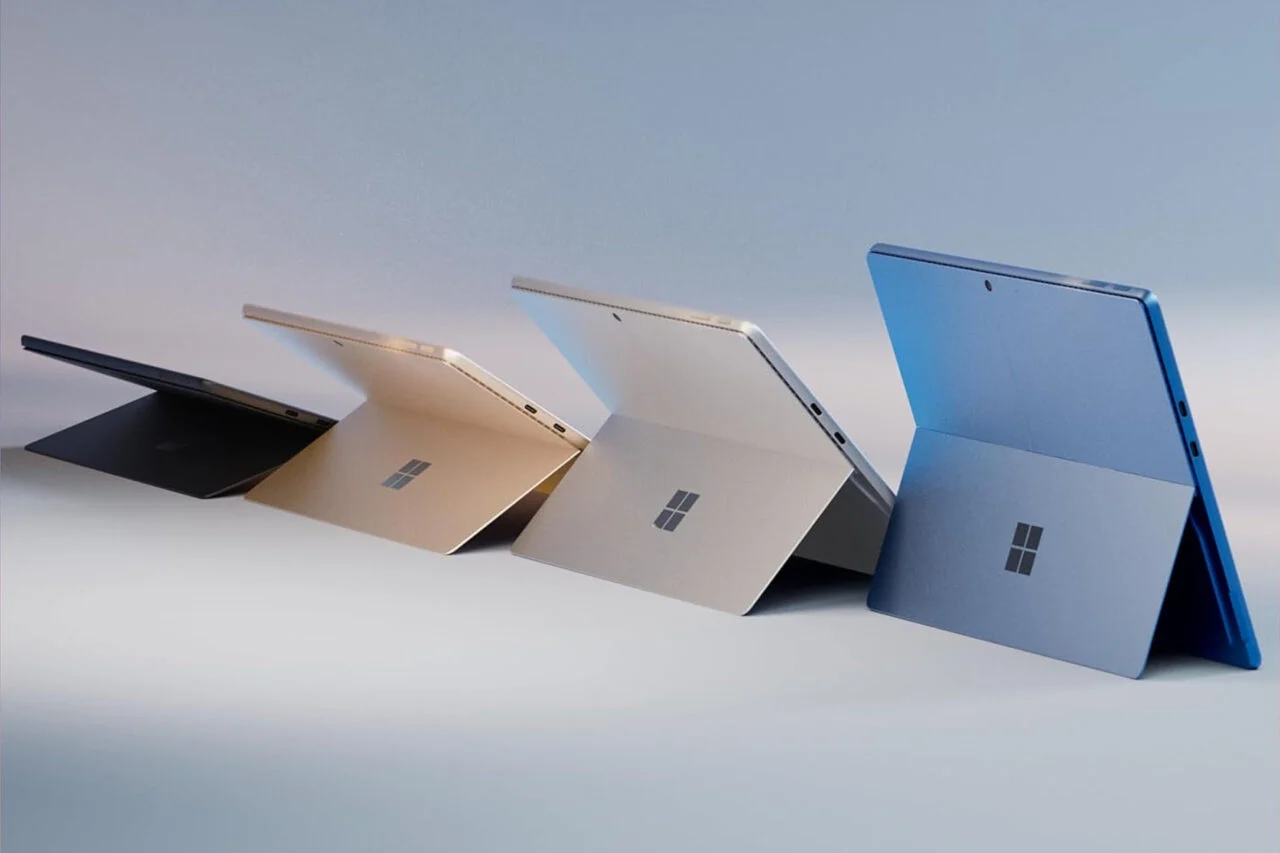
What is happening to Surface PCs right now?
As of April 15, 2026, Microsoft Surface PCs are one of the clearest examples of how the RAM shortage is affecting normal buyers. Microsoft has raised prices across the Surface Pro and Surface Laptop lines, and reporting says the increases are tied to the global shortage of memory chips. The newest Surface models are now much more expensive than they were at launch, with some base prices up by as much as $500.
This is a big change for Surface because Microsoft used to push these devices as polished, premium but still reachable Windows PCs. That balance is now weaker. The Surface Pro 13-inch is listed by Microsoft with memory starting at 16 GB, and the Surface Laptop 13-inch also starts at 16 GB. On the higher end, the 15-inch Surface Laptop can go up to 64 GB, and the premium configs are now far more expensive than many buyers expect from a mainstream Windows machine.
Why the RAM shortage is hurting Surface so much
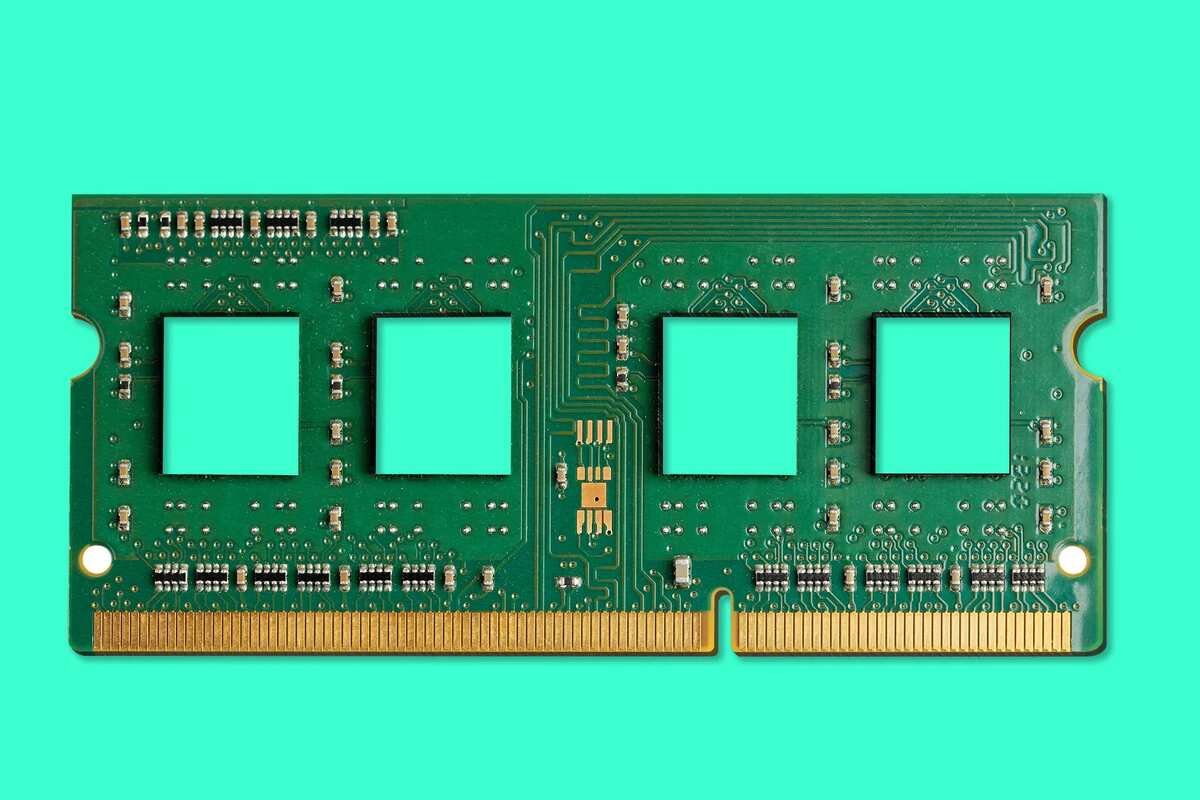
The RAM shortage is not only a Microsoft problem. It comes from strong demand for memory chips from AI data centers and other large systems. Reuters reported in January 2026 that AI infrastructure demand was driving a sharp rise in memory chip prices, and that higher costs were likely to hurt PC and smartphone sales. Reuters also said the shortage hits low- and mid-range device makers hardest, since they have less room to absorb higher part costs.
Another Reuters report from December 2025 said the memory shortage could last through late 2027, based on comments from SK Hynix. That matters because it shows this is not a small, short price jump that will vanish in a few weeks. The pressure is coming from supply and demand at the chip level, so laptop makers cannot simply fix it by changing a small part of the product line.
IDC also warned that 2026 DRAM and NAND supply growth would stay below normal levels, which means parts are not flowing into the market as fast as device makers need them. In plain English, memory is tight, prices are up, and laptop brands have to choose between thinner profit margins or higher retail prices. Microsoft chose the second path for Surface.
How Microsoft changed Surface pricing
The most visible change is the price jump. The Verge reported that the 13-inch Surface Pro 11 and 13.8-inch Surface Laptop 7 are now $1,499, which is $500 more than their original $999 starting price. It also reported that the 12-inch Surface Pro went from $799 to $1,049, and the 13-inch Surface Laptop moved from $899 to $1,199. The 15-inch Surface Laptop rose from $1,299 to $1,599.
These are not small tweaks. They change the way people see the Surface line. A device that once looked like a premium but fair buy now lands much closer to high-end business laptops. Microsoft’s own store pages show that the Surface Pro 13-inch starts at 16 GB RAM, the Surface Pro 12-inch also uses 16 GB as the base, the Surface Laptop 13-inch starts at 16 GB, and the 13.8-inch and 15-inch Surface Laptop models start at 16 GB and can go up to 64 GB.
The problem for Microsoft is that the price rise comes while buyers are already careful with spending. The Verge noted that these Surface price hikes make the lineup harder to compete with, since many people compare Surface against Apple and other premium Windows laptops. Windows Central also said that the new prices make Surface’s value case much weaker than before.
What this means for buyers
For buyers, the biggest effect is simple: more money for the same class of machine, and less room to choose a lower-cost Surface. People who wanted a Surface for school, work, or travel now have to face a higher starting price, even before adding storage or higher memory. That is a problem because the Surface brand has always appealed to people who want a slim, clean, easy-to-carry Windows device.
It also means the old “entry model” idea is fading. Microsoft’s newer Surface line starts at 16 GB RAM across the current Pro and Laptop families. That is good for daily work, but it also means the cheapest versions are no longer very cheap. When memory prices are high, makers often trim the low-end options first, or they remove them from sale. That is one reason the old $999 Surface models were dropped and replaced by pricier versions.
For many buyers, this shifts the decision. If you only need a simple laptop for web, mail, and documents, Surface may now feel too expensive for the job. If you need a premium Windows machine with good battery life, touch support, and strong portability, Surface still has value, but the higher price makes that choice harder to defend. Reuters has already warned that rising memory costs are likely to push PC sales lower across the market, and Microsoft’s pricing move fits that picture.
Why the AI boom matters to everyday PCs
A lot of people see AI as a cloud or software topic, but the real pressure is showing up in hardware. AI data centers need huge amounts of memory, and that pulls DRAM and other parts away from consumer devices. Reuters explained that the AI boom is creating a global scramble for memory chips, which raises prices for everyday products like laptops and phones.
That is why the RAM shortage is not just about gamers or power users. It reaches ordinary laptops, tablets, and phones because they all use the same basic chip supply chain. When chipmakers focus more on AI-related parts, the consumer market gets squeezed. Reuters said this shortage can hurt sales of PCs and smartphones, while The Verge reported that even SSD prices are rising fast because storage demand is being pulled up by AI growth as well.
This matters for Surface because Microsoft is selling premium Copilot+ PCs with Snapdragon chips, strong battery life, and built-in AI features. Those products need memory too, and when the memory market gets tight, even a company as large as Microsoft has to raise prices or adjust what it sells. The Microsoft store pages show that Surface devices are now being sold with 16 GB RAM as the base and up to 64 GB on some models, which fits a higher-cost market rather than a low-price one.
Should you buy a Surface PC now or wait?
For many buyers, waiting is the safer move unless they need a laptop right away. The reason is not that Surface PCs are bad. It is that the market is moving against buyers right now. Memory prices are still high, the shortage is still active, and Reuters reporting suggests the pressure may last into 2027. If you buy during a shortage, you are more likely to pay a premium.
If you need a Surface for work or study, the best time to buy is usually during a sale, a trade-in offer, or a student deal. Microsoft’s store pages still show trade-in and discount options on some configurations, and some models are already on sale from the official store. That does not cancel the price rise, but it can soften it a bit.
If you do not need Surface specifically, it is smart to compare other Windows laptops before spending this much. The new pricing pushes Surface closer to the premium tier, so buyers should judge it like a premium product, not a midrange bargain. In this market, the best choice is the one that gives you the right mix of price, battery life, memory, and size for your work. Microsoft’s current Surface lineup is still attractive on paper, but the RAM shortage has made it much less friendly to budget buyers.
What comes next for Surface and the wider PC market?
The near future does not look easy for Surface or for the wider PC market. Reuters, IDC-linked reporting, and The Verge all point to a market where memory stays expensive and device makers keep facing higher input costs. That means more pressure on laptop prices, more changes to entry-level models, and less room for cheap configurations. Reuters also reported that Apple expects memory costs to bite, which shows that this is a market-wide issue, not a Microsoft-only problem.
For Microsoft, the risk is clear. Surface is a small but important part of the Windows hardware story, and it works best when it feels modern, sleek, and worth the price. Higher RAM costs do not just raise the bill; they can also weaken the brand’s place in the market. If the shortage continues, Microsoft may keep the current pricing, push more premium bundles, or trim lower-cost options even more.
The bigger lesson is that the AI boom is changing more than software. It is changing what people pay for normal computers. Microsoft Surface PCs are now paying that price first and very clearly. For buyers, that means less choice at the low end and a stronger need to shop with care.
For more, visit Techfuture360.site.